














EFRC

Scientific Grand Challenge

Energy will be the Next Scientific Grand Challenge.

The past two decades have witnessed a dramatic increase in global energy consumption. While this need has been largely met by fossil fuels, the rapidly increasing global competition for this limited resource and the expectation that the Earth’s energy needs will double by 2050 and triple by the end of the century, has generated growing concern over future availability.

Combine the above with the mounting evidence that carbon dioxide emissions are adversely affecting global climate, and it becomes increasingly clear that developing renewable carbon-neutral energy sources constitutes a grand challenge for the scientific community.

Logo Images

Solar Energy

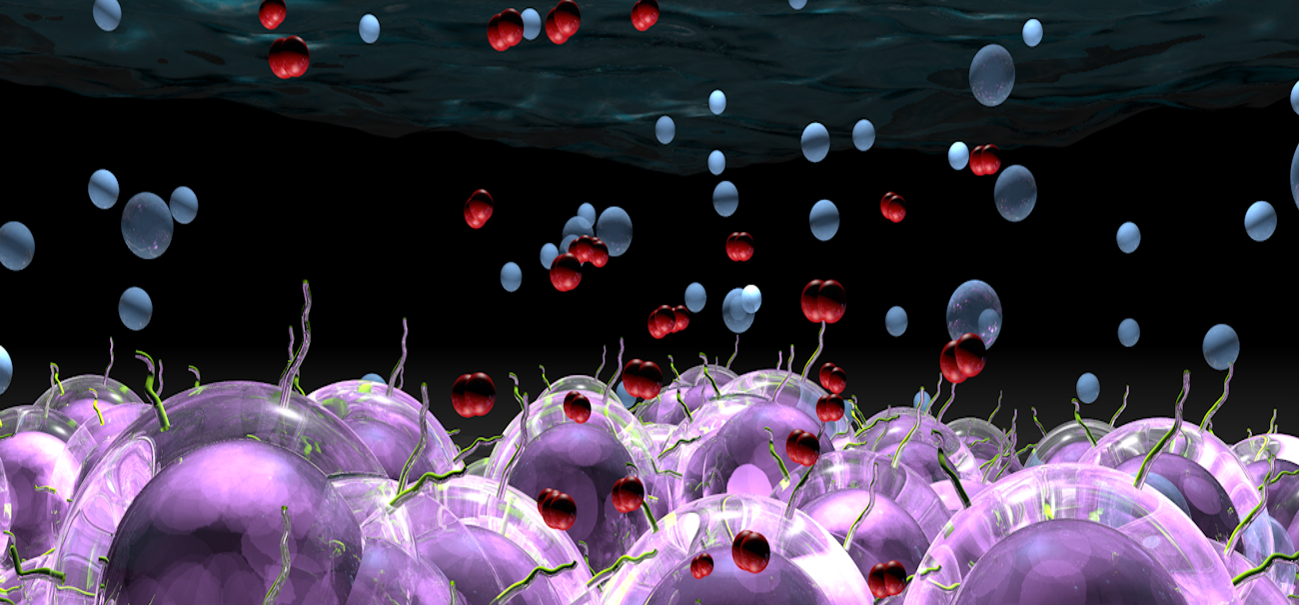
Sunlight is the largest of all carbon-neutral energy sources. More energy strikes the earth as sunlight in a single hour than is consumed by the entire planet in a whole year. Thus, the conversion of sunlight into electrical current, solar electricity, and chemical fuels, solar fuels, are two routes for tapping into this abundant energy source.

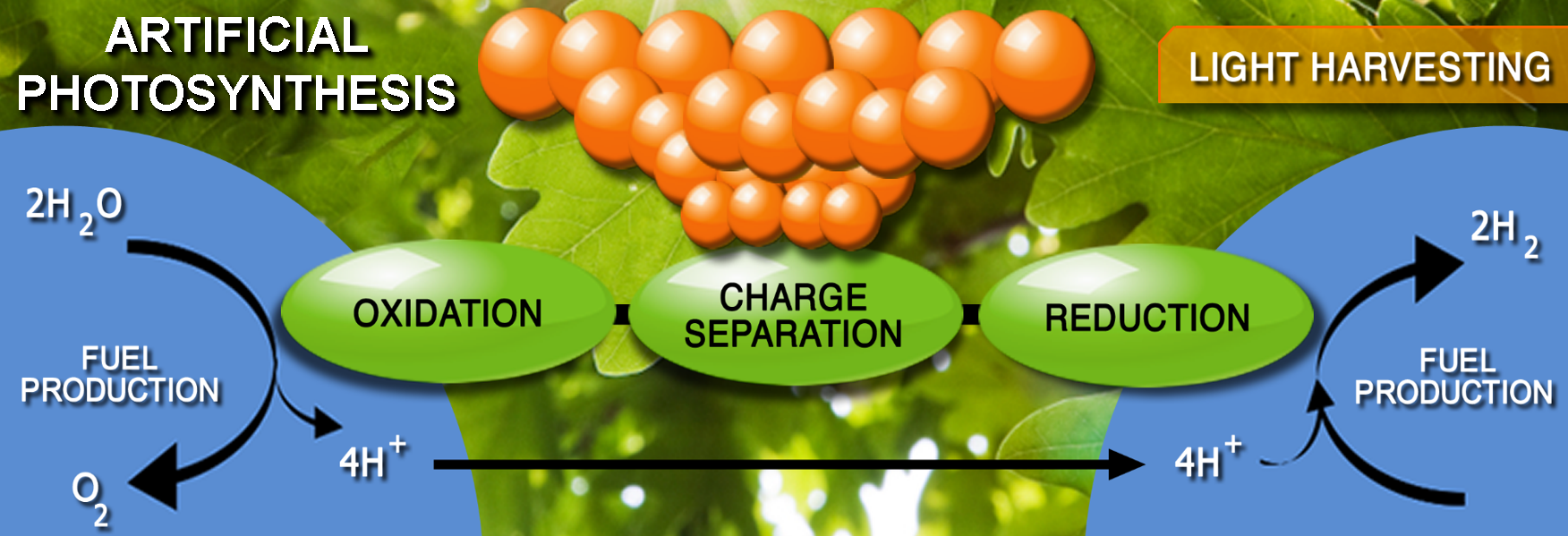
Photosynthesis Image

Currently, neither is cost competitive with fossil fuels due to the use of expensive materials or the need for expensive fabrication methods. This poses a significant challenge for scientists and engineers to develop low-cost, easily deployable materials and devices made from non-toxic components that can efficiently convert sunlight into electricity, or use it directly to produce chemical fuels, such as the splitting of water into hydrogen and oxygen or the conversion of carbon dioxide (CO2) into methane or methanol.


The Need for Collaborative Science

Developing the Next Solar Energy Source will require collaborative science. The problem of converting sunlight into usable energy is extremely broad in scope. On one hand it involves some of the most fundamental questions in chemistry, physics, and material science. And, on the other it poses significant challenges to engineers attempting to translate the discoveries made in the research lab into functioning, robust devices that can be mass-produced on a large scale.

This challenge requires the synthesis of new molecular catalysts, the design of novel materials and nanoscale architectures, the development of new methods for working with non-traditional materials, and the ability to assemble them cheaply into efficient solar devices. Significant progress can only be made through a synergistic collaboration of scientists and engineers working in concert on all aspects of this complicated problem.


The Research Center

The UNC-EFRC will combine the best features of research in academic and national laboratories to study the light/matter interactions and chemical processes needed for the efficient collection, transfer, and conversion of solar energy into chemical fuels and carbon-free electricity. From academia will come key personnel and the free-flowing exchange of ideas from all corners of the world in a cost-effective setting, and from the laboratories will come continuity and focus on solving difficult scientific problems over extended periods.

Thomas MeyerThe UNC-EFRC will build on existing research capabilities at the University of North Carolina at Chapel Hill, North Carolina State University, Duke University, North Carolina Central University and the University of Florida. The center is led by Thomas J. Meyer, a member of the National Academy of Science, and former Vice Chancellor for Graduate Studies and Research at UNC-CH, and former Associate Laboratory Director for Strategic Research at the Los Alamos National Laboratory.

The Center’s ranks include members of the National Academy of Science and the National Academy of Engineering and collectively the faculty has expertise in nanomaterials, polymer science, inorganic materials, and organic electronics. They are well versed in laser spectroscopy, microscopy, optical science, and photonics. They have an established reputation in the energy sciences, and their research has led to the field of “Artificial Photosynthesis” and the design of the first molecular system capable of catalytically oxidizing water to give O2, a key step in the splitting of water into hydrogen and oxygen.

Catalytic Water Oxidation

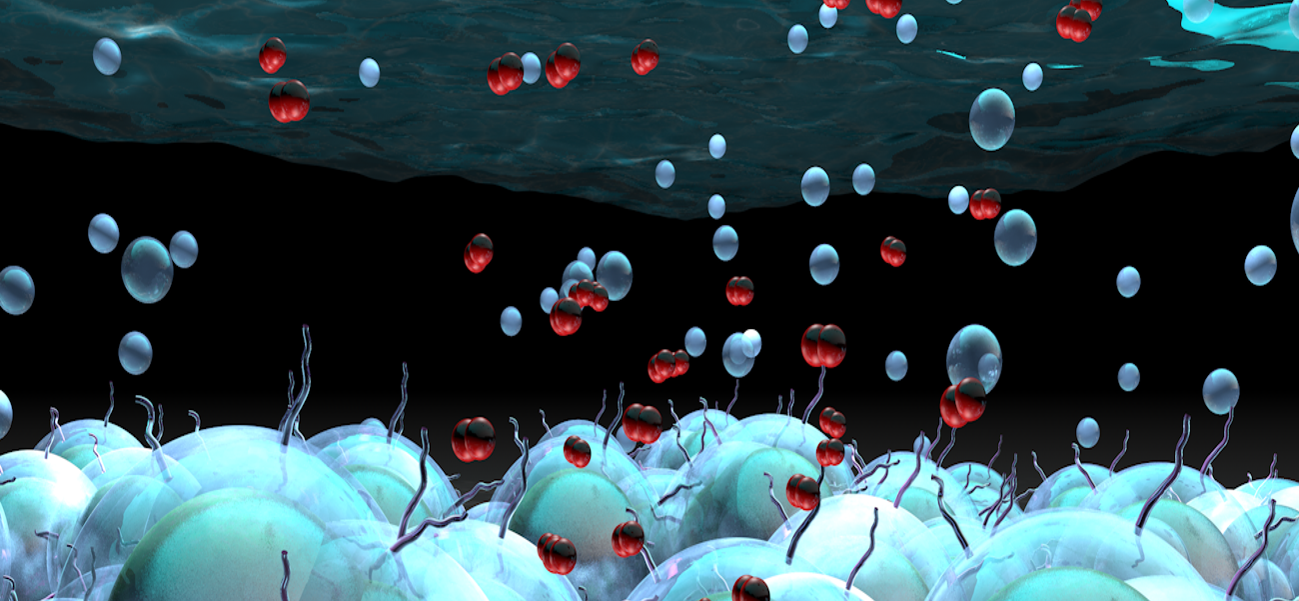
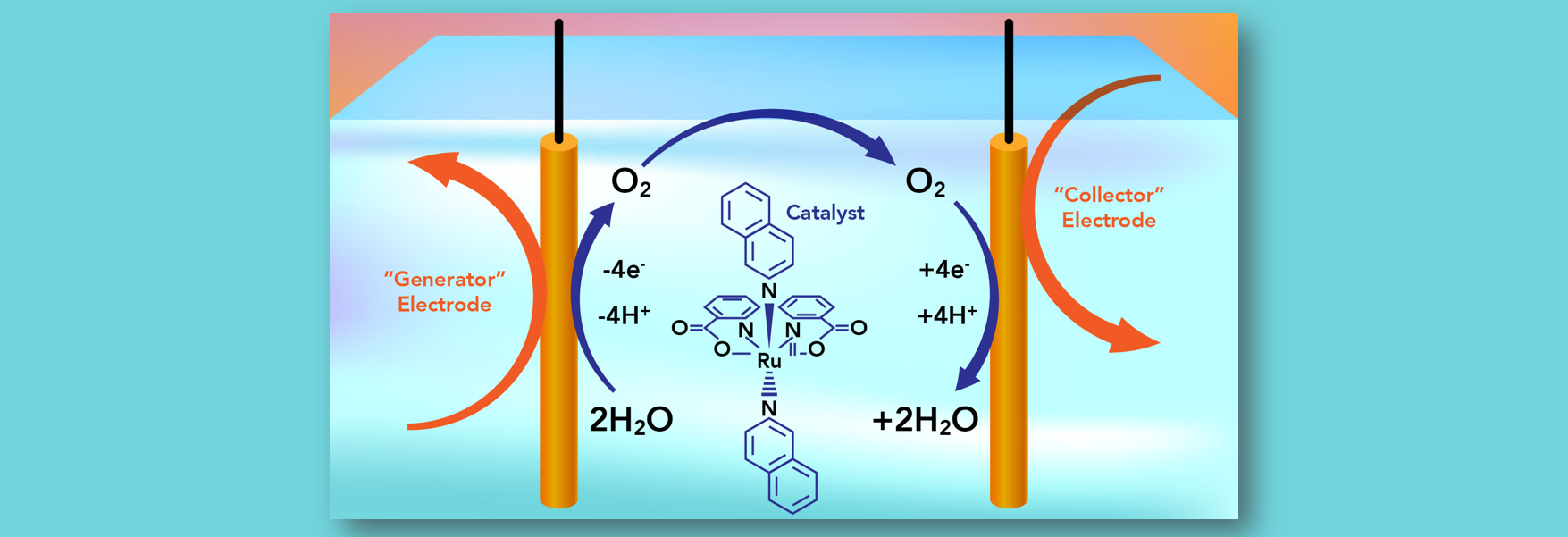
As published in JACS, notable progress has been made recently in the Meyer Group in identifying single-site catalysts for water oxidation including detailed elucidation of mechanism. For applications in electrocatalysis or photoelectrocatalysis, transferring solution reactivity to conducting or semiconductor solution interfaces is important to accelerate rates and minimize catalyst in a device configuration.

Research Image

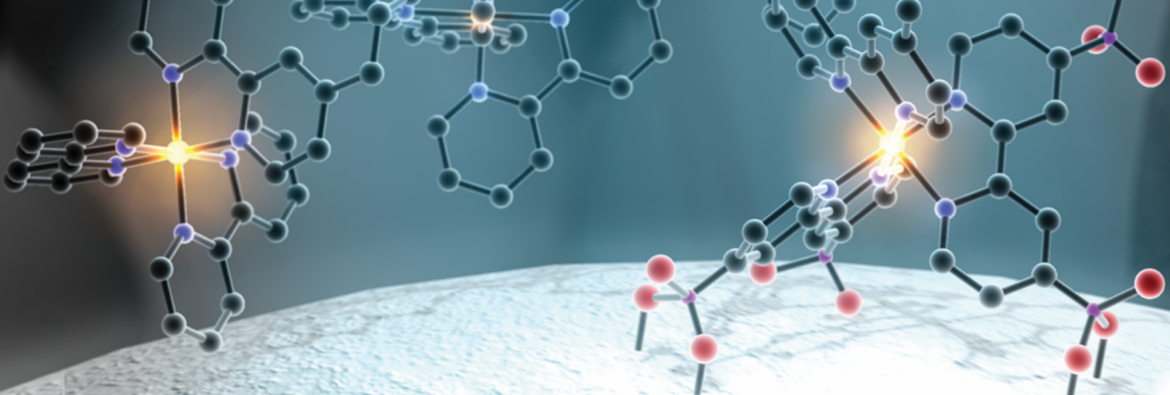
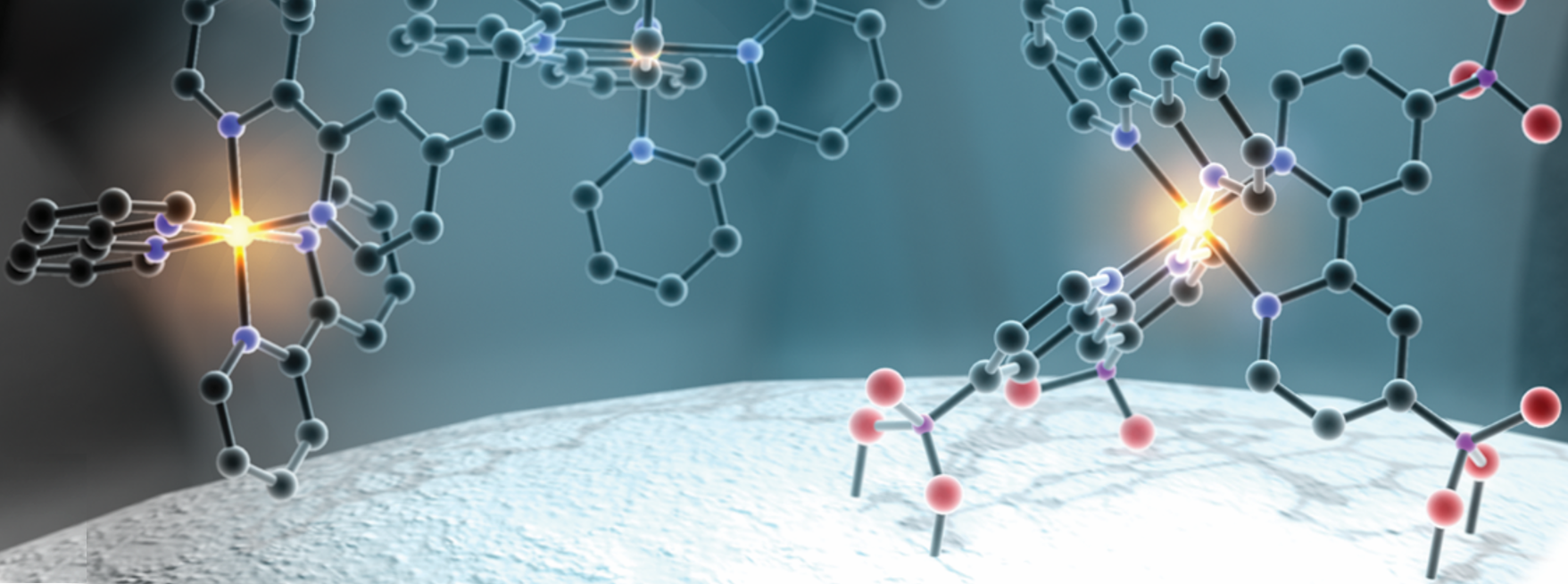
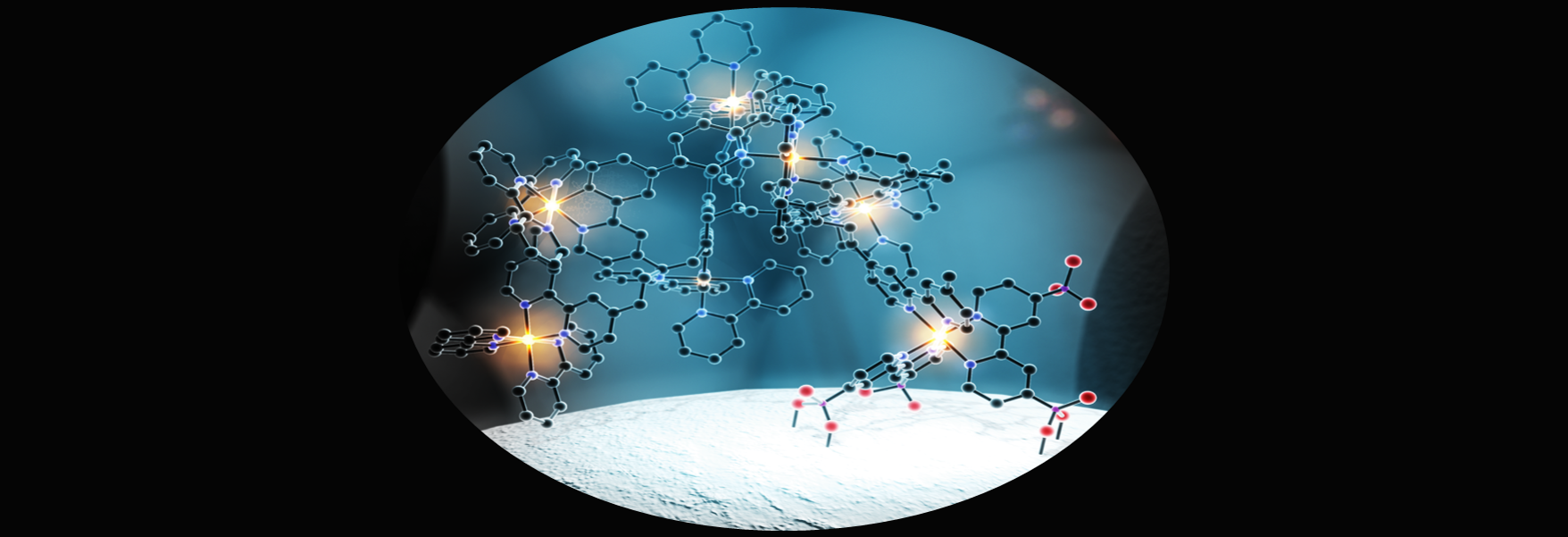
Electrocatalytic water oxidation occurs through the use of the phosphonate-derivatized single-site catalyst which functions on conducting and semiconductor oxide surfaces, retains the solution mechanism on the surface, and provides a basis for sustained, electrocatalytic water oxidation over a range of pH values.


Artifical Photosynthesis

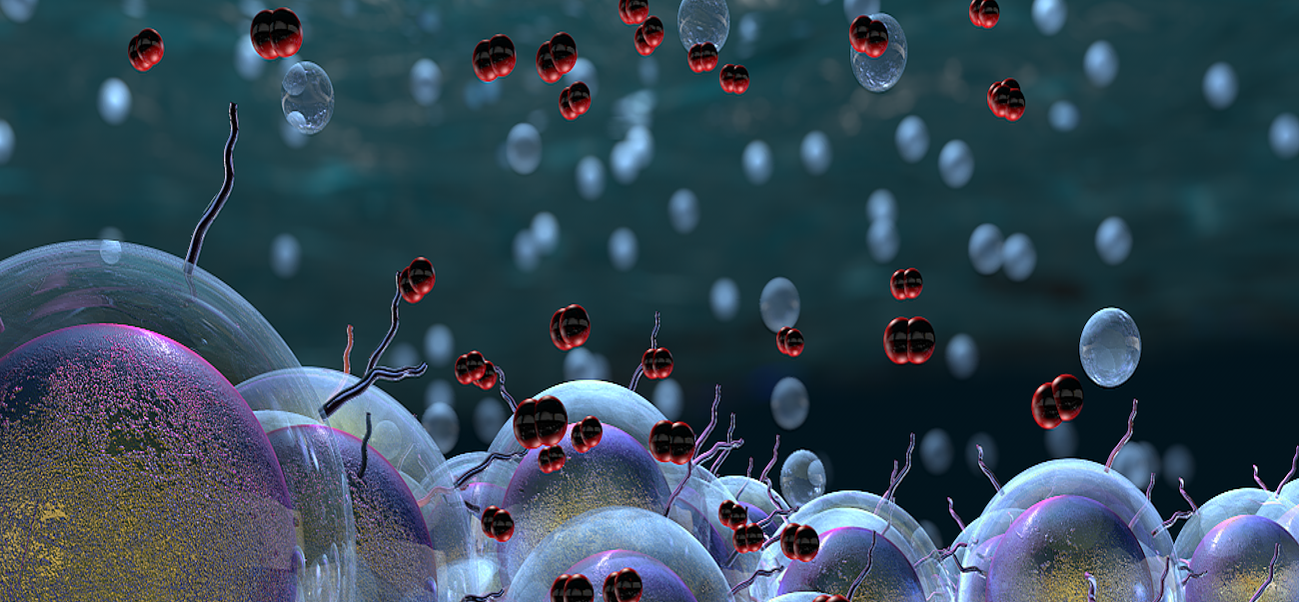
Water oxidation is a key reaction in natural photosynthesis and in many schemes for artificial photosynthesis. Although metal complexes capable of oxidizing water based on Ru, Mn, and Ir are known, a significant question is whether or not dimeric or higher order structures are required for water oxidation. Researchers in the Meyer and Templeton Groups report in JACS on single-site catalytic water oxidation by the monomeric complexes [Ru(tpy)(bpm)(OH2)]2+ and [Ru(tpy)(bpz)(OH2)]2+ (tpy is 2,2':6',2"-terpyridine; bpm is 2,2'-bipyrimidine; bpz is 2,2'-bipyrazine) by a well-defined mechanism involving RuV=O.

Meyer Group Research Image

These results are important in establishing detailed mechanistic insight into water oxidation at a single ruthenium site and in paving the way toward a family of robust water oxidation catalysts. For more information about Artifical Photosynthesis and other energy solutions for the future, visit Professor Meyer's faculty page.


Artificial Photosynthesis Antennae

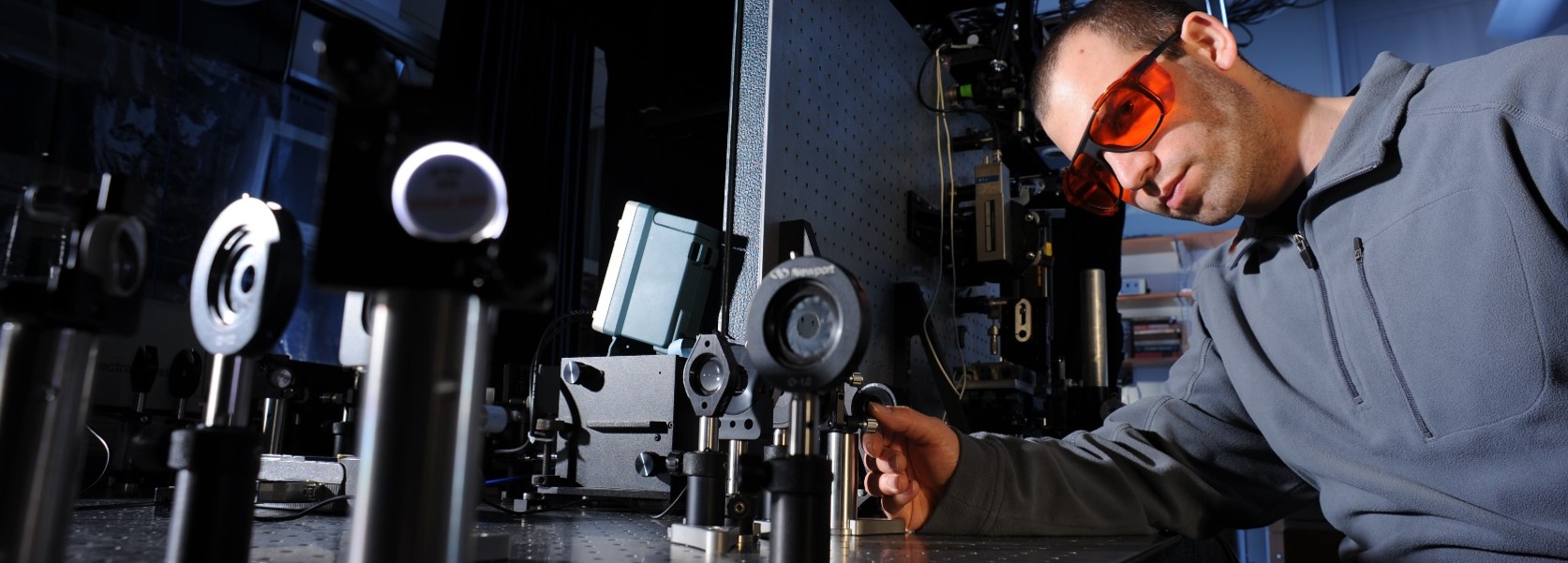
In a collaboration between researchers in the Papanikolas Group and the Meyer Group, results of CW and lifetime emission studies have been used to demonstrate facile intra-strand energy transfer in the derivatized polystyrene polymer
[PS-4-CH2CH2NHC(O)-(RuII(4,4'-(CONEt2)2bpy)2)17
(OsII(bpy)2))3](PF6)40 in four rigid media: frozen 5:4 (v:v) propionitrile:butyronitrile solutions at 77 K, polymethyl-methacrylate (PMMA) and polyethylene glycol-dimethacrylate (PEG-DMA) films, and silica xerogel monoliths at room temperature.

Research Image

Continued rapid energy transfer in rigid media is in contrast to electron transfer which is inhibited. This can be explained by energy transfer theory and is due to a decrease in the energy transfer barrier because of the frozen nature of the medium. The abbreviation used for the polymer defines the chemical link to the polystyrene backbone and gives the extent of loading out of 20 available sites. This was an important observation since one goal of the work with polymers was to use them as light absorbing antenna in artificial photosynthesis applications. As assemblies, the multi-site polymers were massive light absorbers but at isolated, electronically weakly coupled sites. In order to use the excited state energy for energy conversion at a remote site requires facile intra-strand energy migration and transfer on the lifetime of the polymer-bound excited states.